

Young System Explorer
"Young System Explorer" project would be the first tangible result of the "Smart Syspedia" project.
The first outcome of this project will be a graphical book, Encyclopedia of System for Young Generation, which will introduces the main ideas of systems science to the young generation in a simple, visual, and engaging way.
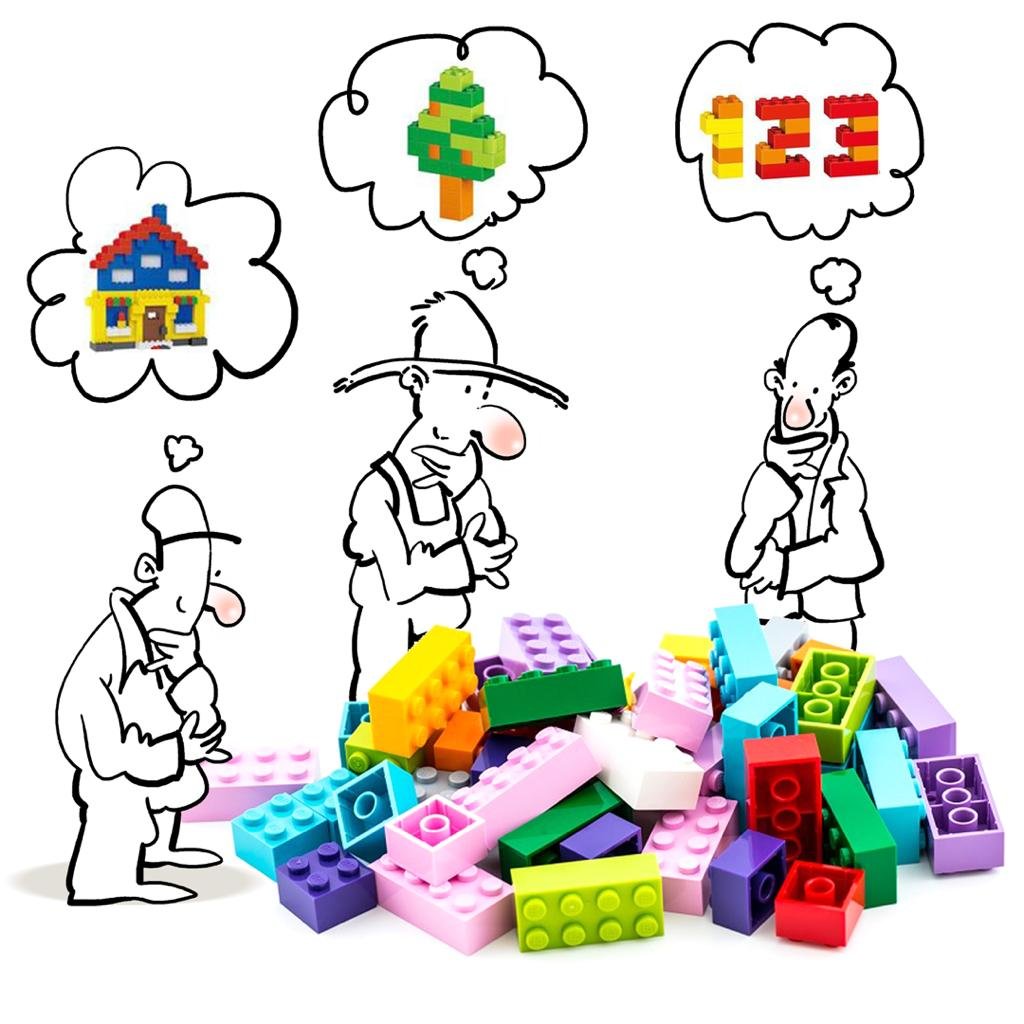
Sample Concepts & Visual Approach
Each concept includes:
• Academic definition
• Simplified explanation
• Visual metaphor
• Real-life example
Sample Concept I: MODEL
Academic Definition:
A model is a simplified representation of a system, process, or concept, used to understand, analyze, or predict its behavior.
(Meadows, D. H. (2008). Thinking in Systems: A Primer.)
Teen-Friendly Explanation:
A model is like a map. It helps us understand something complex by simplifying it.
For example, a toy airplane is a model of a real airplane.

Sample Concept II: FUNCTION
Academic Definition:
A relation on X × Y is called a function if each element of X occurs at most once as the first element in the ordered pairs contained in the relation. To designate that a relation on X × Y is a function, f, we write f: X→ Y. The symbol f(x) denotes the unique element of Y that is paired with the element x of X by function f; it is called the image of x (Klir, 1991; p192).
Function refers to the purpose or role of a component or system within a larger context (Bertalanffy, L. von (1968). General System Theory: Foundations, Development, Applications. George Braziller).
Teen-Friendly Explanation:
Function is all about purpose. What something is meant to do.
In system science, "function" refers to the specific job or purpose that a part of a system has. The role that each part plays to make the system work. Functions can be found in many systems, human body, cars, etc.
For example, a clock’s function is to tell time.
Each component inside it helps perform that role.

Get in touch.
It all begins with an idea. Join us to expand it together!